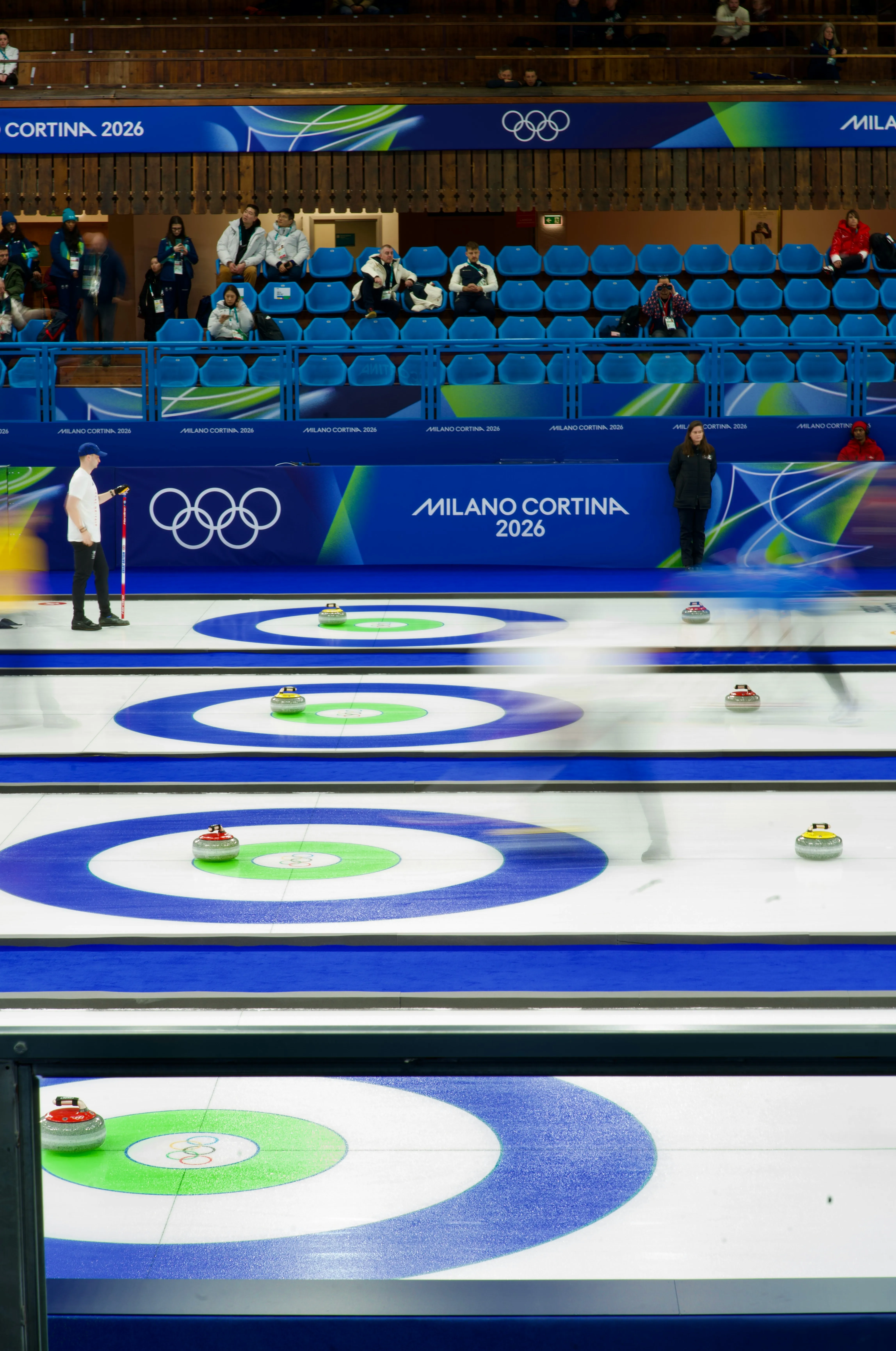
At the 2026 Milan-Cortina Winter Games, figure skating has highlighted an issue bigger than choreography and jumps: the need for a modernized approach to music licensing at the Olympics.
As reported by Tariq Panja in The New York Times, athletes including Amber Glenn and Petr Gumennik found themselves dealing with music clearance complications close to competition. Canadian ice dancers also had to adjust plans involving music by AC/DC. These situations underscore how complex global copyright rules have become in an era of international broadcasts, digital streaming and social media amplification.
Rather than treating each incident as an isolated mishap, the Games present an opportunity for structural reform.
A centralized blanket licensing system would provide a clear, fair solution. Under this model, Olympic organizers, such as the International Olympic Committee and the International Skating Union, would negotiate comprehensive agreements in advance with major rights holders. Those agreements would cover a broad catalog of music for all competitors during the Games.
This approach already works elsewhere. Radio networks, sports leagues and venues operate under blanket licenses that allow them to use millions of songs without negotiating individual permissions each time. Without blanket licenses, public performance of music would be almost impossible at scale. Imagine a radio station negotiating with thousands of rights holders every week. The transaction costs alone would shut down the industry.
Then, rights holders are compensated through a collective fee structure, while performers are free to focus on performance rather than paperwork.
Applied to the Olympics, a centralized system would:
- Ensure artists are paid
- Eliminate last-minute uncertainty for athletes
- Prevent competitive imbalances based on who can afford complex licensing
- Align responsibility with the institutions that control broadcast and global distribution
- Reflect the unique, global and time-limited nature of the Games
Figure skating is inseparable from music. If the Olympics aim to celebrate both sport and culture on the world stage, the infrastructure supporting that performance should be equally global and streamlined. A centralized blanket license would not weaken copyright protection, it would modernize its administration in a way that fits the scale and spirit of the Olympic Games.
Photo by Sreyus Guruvu on Unsplash